

In the past year, specialists from the government institution for native communities traveled over 100 kilometers through lush Amazon jungle on the southern periphery of the Brazilian Amazon. Their task was to observe and aid in safeguarding an isolated community with no contact with the modern world.
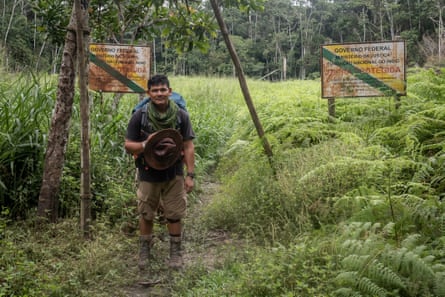
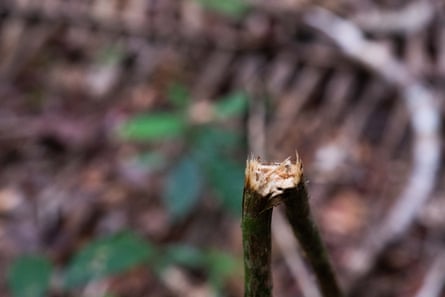
Their findings included a small basket made from forest foliage, a small footprints by a creek, and logs recently hacked to extract honey. They also found old huts sinking into the forest and discarded brazil nut pods near old fire pits. These were all telltale indicators that the Kawahiva people remained in the area.
Government Inaction Block Mandated Defense
Despite a high court order calling for a protection plan for the uncontacted people, the federal administration has not followed through. The legal requirements included fast-tracking the demarcation of their land and detailing deforestation reduction strategies.
Red tape, budgetary constraints, and hostile clashes—featuring assaults by figures linked to the logging industry—have effectively blocked the protection initiative.
Without physical boundaries, loggers and ranchers continue to encroach, leaving the Kawahiva at grave risk of cultural eradication. Indigenous supporters label the delay a intentional and life-threatening violation of the Brazilian law.
“This stalling in demarcation is not only illegal, it is also extremely dangerous.”
A Forest Under Siege
The planned vast reserve still lacks full protection, as required by law. It is considered the greatest expanse of vulnerable jungle in Brazil that is the domain of isolated tribes.
On the edges of the reserve's boundaries, the scene changes dramatically. The land is scorched for ranching. Property markers are being erected, and access routes are stretching farther into the natural habitat.
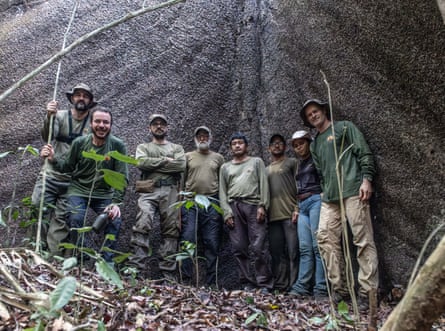
Following the expedition, a senior official for Indigenous affairs pledged to finalize the demarcation. “We are making all possible efforts to guarantee that the Kawahiva land gets official status,” the official stated.
Financial Obstacles and Rising Conflict
Physical demarcation of the 320-kilometer border involves setting up official signs. This is seen as a decisive step to show outside interests that the government is serious about protection. However, the demarcation is delayed.
Money has been a major stumbling block. Initial plans to use compensation funds from a infrastructure development were unsuccessful. The agency has since looked for alternative funding.
It has now initiated a partnership with a technical academic body. “It’s a technical partnership that we’ve already had success with,” explained an official. “The fieldwork is projected to begin in early 2026.”
The institute stated that discussions were progressing but did not specify when work would begin.
Complicating everything is what officials term a “conflictual situation in the region,” which is expected to require an law enforcement escort during any boundary marking.
Threats and Intimidation
The risk of attack is real. In previous years, an hostile mob assaulted a monitoring outpost in the territory, resulting in a violent clash where one attacker was killed. During a subsequent visit, heavily armed police were stationed in the area.
Recently, an audio recording surfaced in which a man, identifying as a local leader, made threats against the lead field agent. The individual, linked to local loggers, boasted to have entered the territory “trying to find those isolated Indians.”
He is allegedly charged with several environmental crimes, including charges related to the armed attack on the agent. “We can’t work because of this guy,” the man said in the recording.
A Race Against Time
Anthropologists and experts point out that it has been over two decades since the location of the isolated group was documented. “In all these years, illegal settlers have consistently challenged the land declaration in court,” noted one expert.
They raise a concerning idea: that the ongoing stalling is a deliberate political tactic rather than a technical or legal one. This leads to fear that demarcation may not happen even in the near future.
The political context adds urgency. Many believe that the current term represents the last chance for this territory project to be achieved, before a potential change in government could freeze protective measures, as occurred in the past.
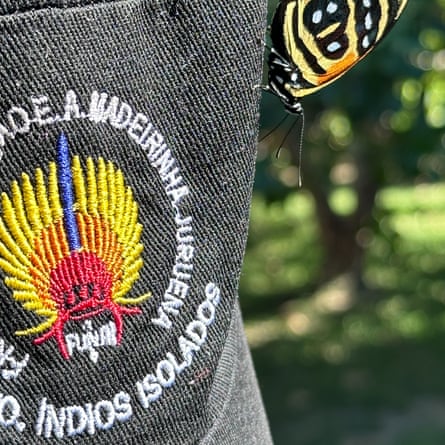
The judicial order was the result of a legal action filed by a tribal rights group. The court acknowledged the “danger of eradication, starvation, and acculturation” facing the community.
A lawyer involved described the process as “at a standstill,” with the court expecting implementation. The risks of inaction are stark. “Moreover, it is incredibly perilous and puts the lives at risk of the uncontacted people,” warned a representative from an campaigning body.


